
How to Drive Automatic Car
How to Drive Automatic Car
How to Drive Automatic Car

Happy Customers


We are currently recruiting more Instructors in our team. We are looking Automatic Driving Instructors and Manual Driving Instructors Male & Female. Blackburn, Darwen, Accrington. Feel free to submit the application form link below.
Automatic Driving Lessons Blackburn | Automatic Driving Lessons Accrington | Manual Driving Lessons | Driving Lessons Blackburn | Driving Lessons Darwen | Accrington | Female Automatic Driving Instructor in Accrington | Female Driving Instructor in Blackburn | Female Manual Driving Instructor Accrington
How to Drive an Automatic Car
Understanding Automatic Car Basics
Driving an automatic car is simpler than a manual vehicle, making it ideal for new drivers and city commuters. Unlike manual cars, automatic vehicles don’t require clutch control or gear shifting, allowing you to focus more on the road. Familiarize yourself with the gear lever, pedals, and dashboard indicators to ensure a smooth driving experience.
Preparing to Drive an Automatic Car
Before you start, adjust your seat, mirrors, and steering wheel for comfort and safety. Fasten your seatbelt and ensure all passengers do the same. Always check that the car is in the “Park” position before turning the ignition key. Automatic cars typically have two pedals – the accelerator and the brake – both of which should be operated with your right foot.
Starting and Moving an Automatic Car
Press the brake pedal firmly and turn the ignition key or push the start button. Move the gear lever from “Park” to “Drive” when you’re ready to go. Slowly release the brake and gently press the accelerator to start moving. Automatic cars respond smoothly, making them perfect for stop-and-go traffic. Maintain a safe distance from other vehicles as you get comfortable with the controls.
Using Automatic Car Gears Correctly
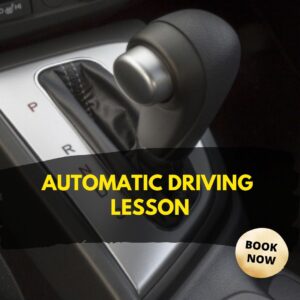
Automatic cars include Park (P), Reverse (R), Neutral (N), and Drive (D). Use “Park” when stopping for long periods, “Reverse” for backing up, and “Neutral” when idling briefly. Some cars offer additional gears like “Sport” or “Low” for better control on hills or during overtaking. Understanding these gears improves your driving confidence and vehicle performance.
Braking and Parking an Automatic Car
Apply steady pressure to the brake pedal and avoid abrupt stops unless necessary. When parking, ensure the car is fully stopped, shift the gear to “Park,” and engage the handbrake. Proper parking techniques prevent rolling and ensure safety, especially on slopes. Always switch off the ignition and remove the keys before leaving the car.
Safety Tips for Driving Automatic Cars
Automatic cars require attention and patience, especially in heavy traffic. Avoid using your left foot for braking or accelerating, as it can lead to accidents. Keep both hands on the steering wheel, follow speed limits, and check mirrors and blind spots regularly. Being aware of pedestrians and cyclists ensures a safer driving experience.
Benefits of Learning to Drive an Automatic Car
Automatic cars are easier to handle, reduce driver fatigue, and are ideal for city traffic. Learning to drive an automatic vehicle boosts confidence and makes commuting more convenient. With practice, drivers can master smooth starts, stops, and lane changes for a safe and enjoyable experience.
Professional Automatic Car Driving Services
For beginners or those switching from manual cars, professional driving services offer guidance and hands-on experience. Step-by-step instructions help you become a confident driver. Contact us for support or queries at info@acornsom.co.uk or call 07912 229133 for more information.

